Cortisol rhythms. Sleep architecture. Heart-rate variability.
Your body already knows the answer.
The fog lifted.
They saw it first in the data.
“Three days before my patient could articulate it, Pulse flagged a cortisol spike pattern I now recognize as her relapse signature. I adjusted her SSRI before the episode fully formed.”
Three days early.

Dr. Patricia Osei-Bonsu
Psychiatrist · Portland, OR
Patient, 34 · Chicago, IL
“Twelve weeks of data flattened the guesswork.”
12 week trend
Mood Variance
−62%
Sleep Depth
+34%
Marcus Webb
“Session prep used to take twenty minutes of chart review. Now I glance at the Pulse summary and I'm ready in three.”

Aisha Thornton, LCSW
Therapist · Seattle, WA
Psychiatrist · Boston, MA
“I can finally see between appointments.”
8 week trend
HRV Trend
↑ 18%
SSRI Adjustments
−40%
Dr. James Kowalski
“I used to dread "rate your mood one to ten." My body already knew. Pulse just gave that knowing a number I could show my doctor.”
"My body already knew."
Renata Sousa
Patient, 41 · Austin, TX
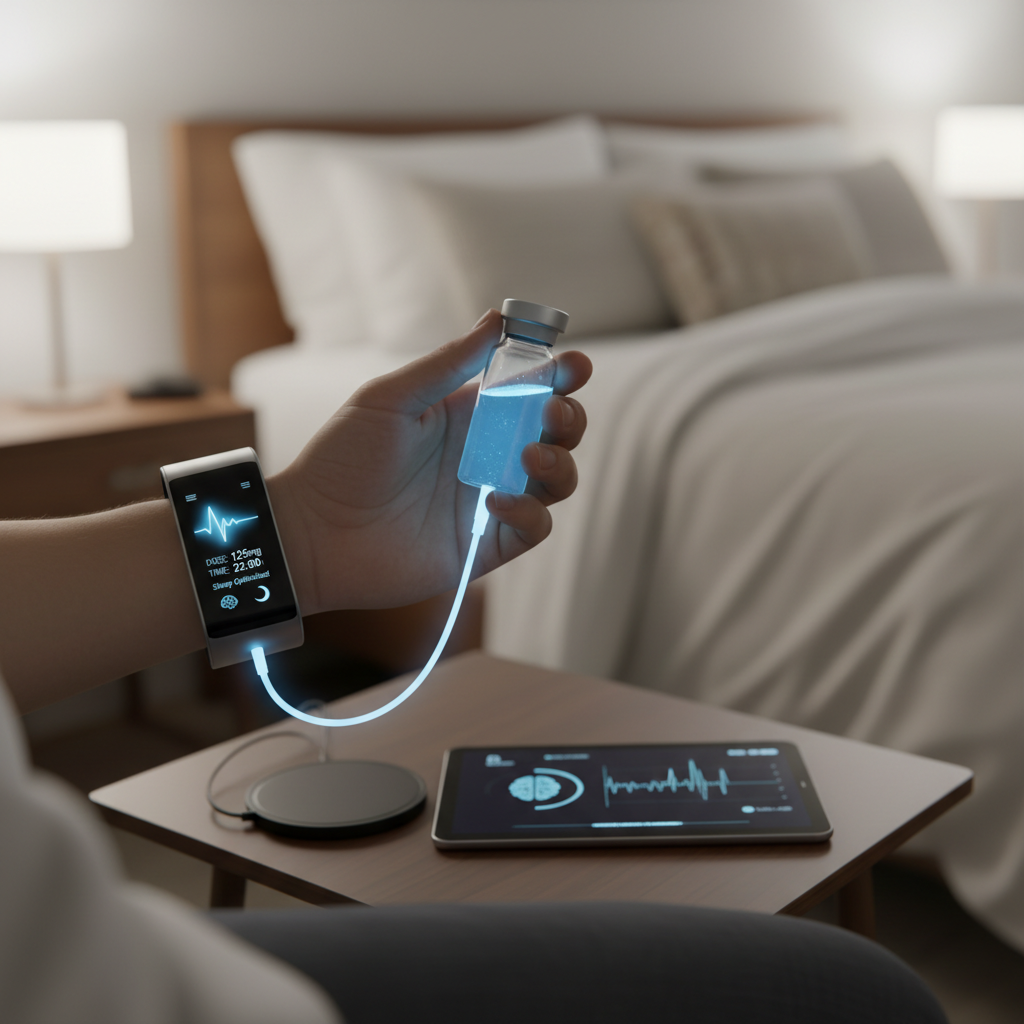
“The sleep architecture data alone changed how I think about SSRI timing. We moved her dose to morning based on a hypnogram pattern.”
Dr. Yuki Tanaka
Psychiatrist · San Francisco, CA
The data from
847 patients.
IRB-approved pilot across 12 outpatient psychiatric clinics. Anonymized aggregate outcomes from 18 months of continuous monitoring.
Population Mood Trend
Aggregate PHQ-9 equivalent scores · 847 participants · 18 months
Lower scores indicate improved mood stability. Pulse cohort showed statistically significant separation at month 3 (p < 0.001).
See it work in your
clinical workflow.
A 30-minute walkthrough tailored to your role — psychiatrist, therapist, or patient advocate. We'll show you the exact screens your patients see and the data you'll act on.